The demand for gold in Iraq has skilled vital fluctuations over current years, influenced by numerous socio-economic and cultural elements. This observational analysis article aims to discover the dynamics of gold demand in Iraq, inspecting the trends, the influences behind these traits, and the implications for the local economic system and society.
Introduction
Gold has long been considered a logo of wealth and standing across numerous cultures, and Iraq is no exception. The wealthy history of gold within the region dates back to historic Mesopotamia, where gold was not only used for adornment but in addition as a medium of alternate. In contemporary Iraq, gold continues to play a crucial position in both the economic system and the social fabric, significantly during significant life events such as weddings and religious celebrations. This text will delve into the present state of gold demand in Iraq, analyzing the components that drive consumer preferences and market behaviors.
Historical Context
To grasp the current traits in gold demand, it is crucial to consider Iraq's historic context. The nation has faced a long time of conflict, financial sanctions, and political instability, all of which have impacted client habits and financial circumstances. During the late 20th century and early 21st century, Greenhiveco gold was usually seen as a safe haven asset amidst the turmoil, resulting in increased demand during durations of instability. Nonetheless, with the gradual stabilization of the economic system lately, the dynamics of gold consumption have shifted.
Present Traits in Gold Demand
Recent observational knowledge indicates a resurgence in gold demand in Iraq, notably in city areas. The rise in disposable incomes, coupled with a rising center class, has contributed to an elevated curiosity in gold as each an funding and a luxurious item. Gold jewelry, particularly, stays extremely sought after for its cultural significance in celebrations corresponding to weddings, the place it is customary for households to present gold as part of the bride's dowry.
Market observations reveal that gold prices in Iraq are intently linked to international market trends, with fluctuations usually mirroring world gold price movements. However, local components, reminiscent of forex stability and inflation charges, additionally play a significant function in shaping shopper purchasing selections. For instance, during periods of economic uncertainty, shoppers are likely to prioritize gold purchases as a hedge in opposition to inflation and foreign money devaluation.
Cultural Influences on Gold Demand
Cultural factors significantly affect gold demand in Iraq. Gold is not merely a commodity; it carries deep cultural and social meanings. In Iraqi society, gold jewelry is commonly thought-about a form of investment, with families purchasing items to move down by generations. This cultural significance elevates gold's status beyond that of a mere financial asset, reinforcing its desirability.
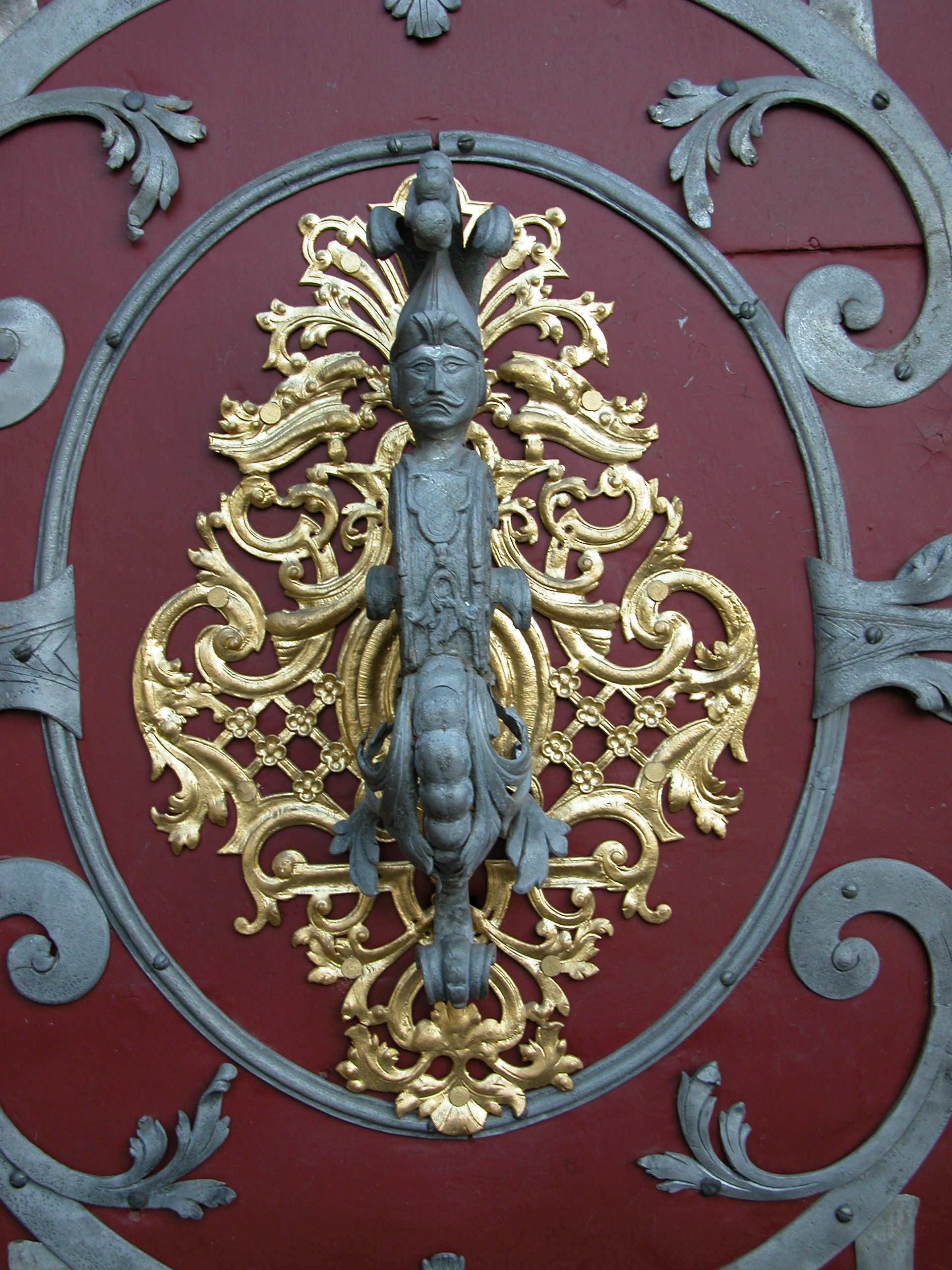
Observations indicate that conventional designs and craftsmanship are extremely valued amongst customers. Artisans in Iraq typically create intricate gold jewellery that reflects local heritage and craftsmanship, additional enhancing its enchantment. The demand for such culturally wealthy pieces is particularly pronounced amongst youthful generations looking for to connect with their heritage while additionally expressing their individuality by means of distinctive designs.
Economic Elements Impacting Gold Demand
The economic panorama in Iraq has undergone significant modifications lately, influencing gold demand. The rise in oil prices has bolstered the national financial system, resulting in elevated disposable incomes for a lot of Iraqis. This financial growth has translated into larger demand for luxurious items, together with gold jewellery and investment bars.
However, the volatile nature of the financial system poses challenges. Intervals of economic instability, political unrest, or fluctuations in oil costs can lead to decreased shopper confidence, resulting in reduced gold purchases. Observational information recommend that throughout times of economic downturn, consumers prioritize important expenditures over luxury items, together with gold.
The Position of Know-how and E-Commerce
The advent of expertise and e-commerce has additionally remodeled the gold market in Iraq. Observations indicate a rising trend of online gold purchases, notably among younger customers who desire the comfort and accessibility of digital platforms. E-commerce permits consumers to check prices, access a broader vary of products, and make knowledgeable purchasing decisions.
However, the shift towards online purchasing has raised considerations about authenticity and high quality management. Customers are more and more cautious about buying gold on-line, emphasizing the significance of respected sellers and certifications to make sure the integrity of their investments.
Future Outlook
Trying forward, the demand for gold in Iraq is predicted to evolve in response to altering financial conditions, cultural tendencies, and client preferences. As the economic system stabilizes and disposable incomes proceed to rise, it is likely that gold will maintain its status as a sought-after commodity. However, the market can even must adapt to the challenges posed by economic volatility and the growing affect of technology.
Furthermore, the rise of different investment options might impact gold's attraction among youthful generations. As financial literacy improves and funding choices diversify, gold may face competition from stocks, real estate, and different financial devices.
Conclusion
In conclusion, the demand for gold in Iraq is shaped by a fancy interplay of historic, cultural, and financial elements. Observational research highlights the resilience of gold as a cherished asset amidst a backdrop of change and uncertainty. Whereas the present traits point out a sturdy demand for gold, the market must navigate the challenges posed by economic fluctuations and evolving consumer preferences. Understanding these dynamics shall be crucial for stakeholders in the gold market, from artisans to investors, as they search to adapt to the altering panorama of gold demand in Iraq.