

In recent times, the private aviation industry has witnessed outstanding advancements that have reworked the best way individuals strategy air journey. With the advent of latest technologies, modern enterprise fashions, and a shift in shopper expectations, private airplane flights have grow to be more accessible, environment friendly, and tailor-made to the needs of fashionable travelers. This text explores the latest developments in the realm of private air travel, highlighting the important thing innovations which can be shaping the way forward for on-demand flights.
1. The Rise of On-Demand Charter Companies
One of many most significant advancements in private aviation is the emergence of on-demand charter services. Companies like JetSuite, Blade, and Wheels Up have revolutionized the market by providing flexible booking options that permit passengers to reserve flights with minimal discover. Unlike conventional private jet possession, which involves excessive prices and ongoing maintenance, these companies present an environment friendly alternative, enabling travelers to e book flights as wanted. This mannequin not only reduces the financial burden but in addition maximizes comfort, making private air travel a viable option for a broader audience.
2. Technological Integration and Person Experience
The combination of know-how into private aviation has considerably enhanced the person experience. Mobile applications have develop into important tools for booking flights, managing itineraries, and accessing actual-time updates. With just a few taps on a smartphone, travelers can examine costs, check aircraft availability, and ebook flights tailored to their schedules. Moreover, developments in knowledge analytics permit firms to optimize flight routes and improve operational efficiency, guaranteeing that clients receive the very best service.
Moreover, the use of synthetic intelligence (AI) and machine learning is changing into more and more widespread in private aviation. These technologies enable companies to research customer preferences and habits, allowing for customized flight experiences. As an example, AI can assist advocate particular aircraft based mostly on a passenger's past flights, preferences for in-flight amenities, and even dietary restrictions. This level of customization enhances customer satisfaction and fosters loyalty among frequent flyers.
3. Electric and Sustainable Aviation
As environmental issues continue to rise, the aviation business is under pressure to adopt more sustainable practices. In response, several companies are investing in electric and hybrid aircraft, which promise to reduce carbon emissions and working prices. For example, startups like Alice and Joby Aviation are creating electric vertical takeoff and landing (eVTOL) aircraft that could revolutionize city air mobility. These aircraft are designed to function in congested areas, offering fast and efficient transport options without the environmental affect related to conventional jet fuel.
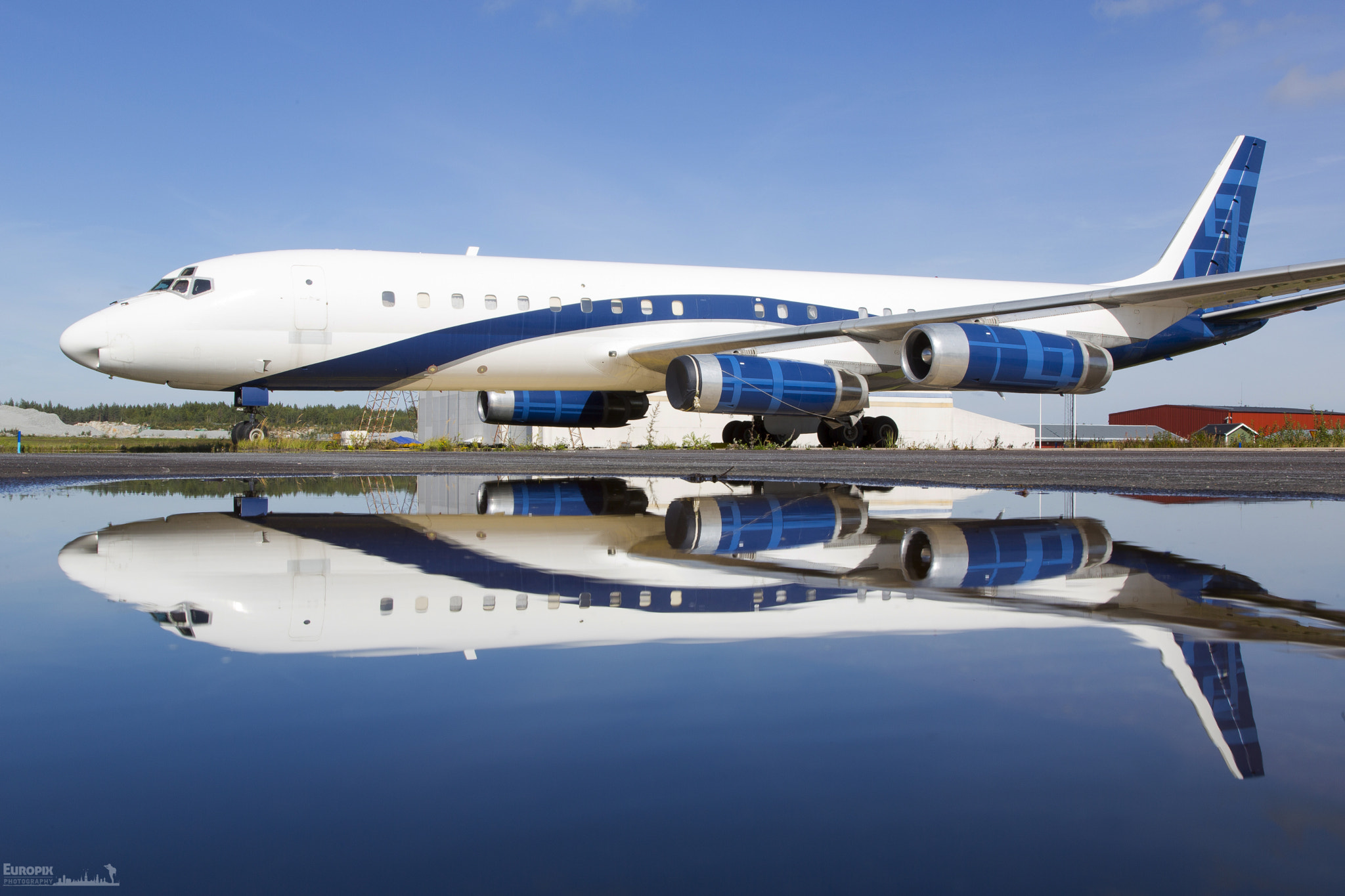
Furthermore, established manufacturers like Bombardier and Gulfstream are exploring sustainable aviation fuels (SAFs) as a means to scale back their carbon footprint. SAFs are produced from renewable assets and can considerably lower greenhouse fuel emissions compared to standard jet gasoline. As these technologies mature and acquire regulatory approval, private aviation is poised to turn out to be a frontrunner in sustainable journey solutions.
4. Enhanced Security Protocols
The COVID-19 pandemic has prompted a reevaluation of safety protocols across all modes of transportation, including private aviation. In response to heightened health considerations, private jet operators have implemented rigorous cleansing and sanitation measures to make sure passenger security. Enhanced protocols, comparable to the usage of HEPA filters, UV gentle disinfection, and thorough pre-flight cleansing, have change into customary apply.
Moreover, the rise of private air travel throughout the pandemic has led to a shift in how travelers understand safety and well being. Passengers now prioritize private flights over business airways to attenuate publicity to massive crowds. This trend has not solely elevated demand for private aviation however has additionally prompted operators to keep up high safety standards to construct trust and confidence amongst their clientele.
5. Fractional Ownership and Membership Models
Fractional ownership and membership fashions have gained traction as an attractive alternative to full aircraft possession. Companies like NetJets and Flexjet offer shared possession choices that enable individuals to purchase a fraction of an aircraft, thereby lowering prices whereas nonetheless enjoying the benefits of private flying. These models provide access to a fleet of aircraft with out the burdens of maintenance, administration, and depreciation.
Membership programs have also emerged, offering travelers a pay-as-you-go mannequin that enables for better flexibility. For a monthly payment, members can entry a variety of aircraft and companies, making private air travel more attainable for a wider audience. These improvements cater to the evolving wants of customers, who increasingly search flexibility and value of their travel options.
6. The Function of Blockchain in Private Aviation
Blockchain expertise is starting to make its mark on the private aviation sector, offering solutions for enhanced transparency and security. Should you beloved this informative article as well as you desire to get guidance concerning Locksmithstrainingcourse generously visit our site. By utilizing blockchain for flight records, ownership verification, and maintenance logs, operators can ensure that every one information is secure and tamper-proof. This degree of transparency is especially useful for fractional possession fashions, where readability relating to aircraft usage and maintenance historical past is essential.
Moreover, blockchain can streamline the booking process by enabling smart contracts that automatically execute transactions once specific situations are met. This innovation can cut back administrative burdens and enhance the overall effectivity of private air travel, making it easier for customers to guide and manage their flights.
Conclusion
The way forward for private airplane flights is being formed by a confluence of technological advancements, modern enterprise models, and a rising emphasis on sustainability and security. As on-demand charter companies grow to be more prevalent, travelers are offered with unprecedented flexibility and comfort. The combination of AI, electric aircraft, and blockchain expertise further enhances the efficiency and transparency of the business.
As the private aviation panorama continues to evolve, it is obvious that these advancements is not going to only redefine the best way we journey but also make private air travel more accessible and sustainable for generations to return. With a dedication to innovation and a deal with buyer expertise, the private aviation business is poised to soar to new heights within the years forward.