
Investing in gold has lengthy been thought-about a safe haven during economic uncertainty, and as such, many buyers are wanting to incorporate gold into their retirement accounts. A Gold Particular person Retirement Account (IRA) permits individuals to hold bodily gold and other treasured metals in a tax-advantaged retirement account. This report will explore the fundamentals of gold IRAs, the benefits and dangers related to them, and the process of setting one up.
Understanding Gold IRAs
A Gold IRA is a sort of self-directed IRA that permits traders to add physical gold and other approved treasured metals to their retirement portfolio. Not like conventional IRAs that sometimes hold stocks, bonds, and mutual funds, a Gold IRA enables people to diversify their investments by including tangible property. The internal Income Service (IRS) has specific tips regarding the types of metals that can be held in a Gold IRA, which include gold, silver, platinum, and palladium that meet certain purity standards.
Advantages of Gold IRAs
- Inflation Hedge: Gold has traditionally been seen as a hedge against inflation. As the worth of foreign money declines, the price of gold tends to rise, preserving the buying energy of investments over time.
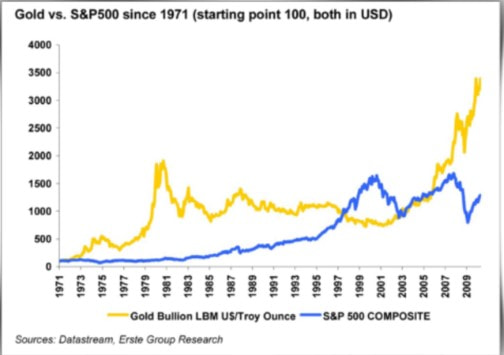
- Diversification: Together with gold in an funding portfolio can present diversification, lowering general danger. Gold usually moves inversely to inventory market developments, making it a precious asset throughout market downturns.
- Tax Advantages: Like different IRAs, Gold IRAs supply tax advantages. Contributions could also be tax-deductible, and the funding grows tax-deferred until withdrawals are made throughout retirement. Moreover, if structured as a Roth IRA, certified withdrawals can be tax-free.
- Tangible Asset: Unlike stocks or bonds, gold is a physical asset that investors can hold. This tangibility can provide a way of security, especially during occasions of economic instability.
- Wealth Preservation: Gold has been used as a store of worth for centuries. By including gold in a retirement account, investors can protect their wealth from financial downturns and currency fluctuations.
Risks of Gold IRAs
- Volatility: Whereas gold is commonly seen as a protected funding, its price can be volatile. Economic factors, geopolitical occasions, and modifications in market sentiment can result in vital value fluctuations.
- Storage and Insurance coverage Prices: Bodily gold have to be stored in an IRS-permitted depository, which incurs storage charges. Additionally, investors may need to insure their gold holdings, including to the general cost.
- Restricted Earnings Era: In contrast to stocks or bonds that may present dividends or interest, gold doesn't generate revenue. Investors rely solely on worth appreciation for returns.
- Regulatory Concerns: Gold IRAs are topic to IRS rules, and failure to conform can lead to penalties or taxes. It is essential to work with a good custodian who understands these laws.
- Potential for Scams: The gold market can appeal to unscrupulous dealers. Traders must be cautious and conduct thorough research to avoid scams or overpaying for gold.
Setting up a Gold IRA
- Select a Custodian: Step one in organising a Gold IRA is choosing a custodian. This is a financial establishment that will handle the account and ensure compliance with IRS regulations. It is essential to decide on a reputable custodian with experience in handling treasured metals.
- Fund the Account: Traders can fund a Gold IRA by way of various methods, together with transferring funds from an current retirement account, making a cash contribution, or rolling over funds from another IRA. Every methodology has particular tax implications and processes that must be adopted.
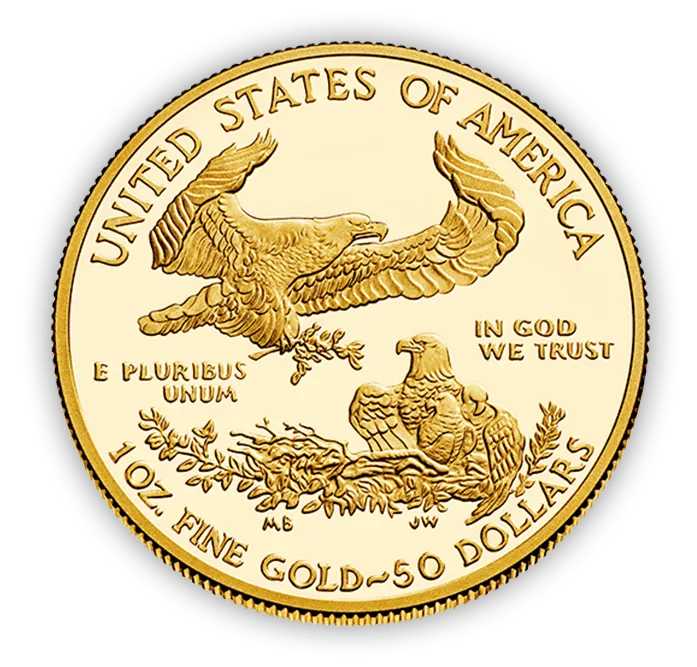
- Select Permitted Metals: As soon as the account is funded, traders can choose which precious metals to buy. The IRS has specific pointers concerning the kinds of gold and different metals that may be included. For gold, the minimal purity requirement is 99.5%, and acceptable kinds include American Gold Eagles, Canadian Gold Maple Leafs, and gold bars from accredited refiners.
- Purchase and Retailer the Metals: After selecting the specified metals, the custodian will facilitate the purchase. The bodily gold must then be saved in an IRS-authorised depository. Investors cannot take possession of the gold whereas it is held in the IRA.
- Monitor the Funding: Like every investment, it is crucial to watch the performance of the gold holdings often. Traders should keep informed about market trends and financial situations which will affect gold prices.
Conclusion
Investing in gold by a Gold IRA can be a strategic move for those trying to diversify their retirement portfolio and protect their wealth against economic uncertainties. While there are numerous benefits, corresponding to inflation safety and tax benefits, traders should also be aware of the risks and costs associated with gold investments. By rigorously selecting a custodian and understanding the regulations, people can effectively incorporate gold into their retirement strategy. As with any investment, it's crucial to conduct thorough Ideahubb research guide and consider private financial goals before proceeding with a Gold IRA.