
Introduction
The aviation business has seen significant transformations in recent times, notably with the rise of shared charter flights. These flights offer a novel blend of private aviation's exclusivity and business airline's affordability, making air journey more accessible to a broader audience. This report delves into the concept of shared charter flights, their operational mechanisms, benefits, challenges, and future prospects.

Understanding Shared Charter Flights
Shared charter flights involve the pooling of passengers who wish to journey on the same route at comparable occasions, thereby sharing the price of the chartered aircraft. Here is more info regarding Greenhiveco trusted resource Page look at our own web page. Unlike conventional charter flights, that are booked by a single entity or particular person, shared charters allow a number of parties to e book seats on the same flight. This mannequin has gained traction because of the growing demand for versatile travel options and the need for cost-efficient solutions.
Operational Mechanisms
- Booking Process: Passengers can e book seats on shared charter flights through numerous platforms, including dedicated charter flight companies, online journey businesses, and cellular applications. The booking course of typically entails choosing a desired route, date, and time, after which the system shows accessible flights and pricing.
- Aircraft Selection: Shared charter flights utilize a variety of aircraft, from small jets to bigger planes, relying on the number of passengers and distance to be traveled. The choice of aircraft is crucial because it impacts each the associated fee and consolation of the flight.
- Pricing Fashions: The pricing for shared charter flights is mostly calculated based on the distance, aircraft type, and variety of seats sold. Passengers can profit from decrease costs compared to booking an entire charter, as they solely pay for the seats they occupy.
- Flight Operations: Once a flight is booked, operators coordinate with pilots and ground services to ensure a seamless experience. This consists of managing flight schedules, passenger verify-in, and security protocols.
Benefits of Shared Charter Flights
- Value-Effectiveness: One of the most vital advantages of shared charter flights is their affordability. By sharing the costs amongst a number of passengers, individuals can access private aviation companies at a fraction of the worth of a standard charter flight.
- Flexibility: Shared charters offer greater flexibility when it comes to scheduling and routing. Passengers can select flights that align with their schedules and will even have the choice to customise routes primarily based on demand.
- Comfort: Travelers can enjoy the convenience of flying from smaller airports, which are sometimes nearer to their final locations, thus lowering travel time and eliminating the trouble of larger business airport procedures.
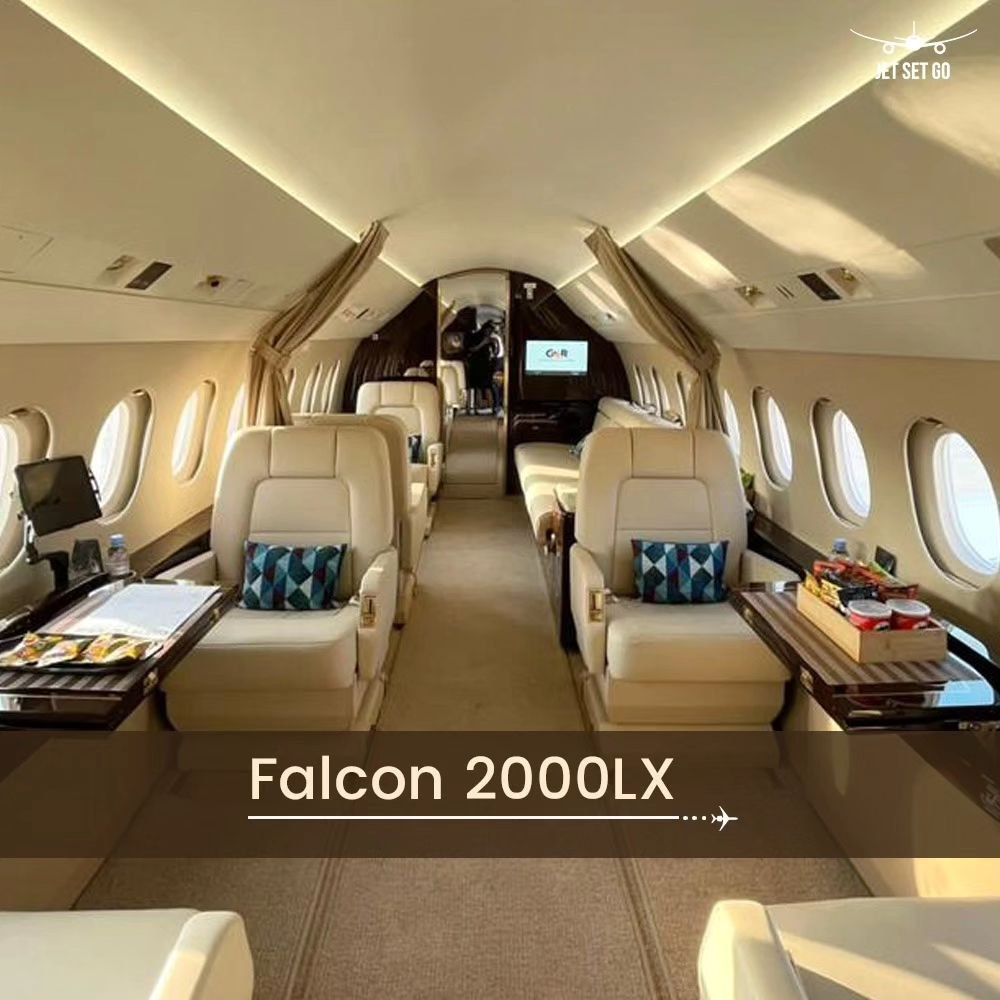
- Enhanced Experience: Shared charter flights present a extra personalized expertise compared to commercial airlines. With fewer passengers onboard, travelers can take pleasure in a quieter atmosphere, higher service, and extra space.
- Access to Remote Areas: Shared charters can attain destinations that might not be serviced by business airlines, making them an interesting choice for travelers heading to distant or underserved areas.
Challenges of Shared Charter Flights
- Market Consciousness: Despite their benefits, shared charter flights remain relatively unknown to many potential prospects. Increased consciousness and education concerning the service are wanted to attract a broader viewers.
- Regulatory Hurdles: The aviation business is closely regulated, and shared charter operators must navigate advanced regulations that differ by country. Compliance with security and operational requirements can pose challenges for new entrants available in the market.
- Flight Availability: The availability of shared charter flights might be inconsistent, particularly in regions with lower demand. This may lead to difficulties in finding appropriate flights and may deter potential clients.
- Competitors from Conventional Airways: Shared charter flights face competition from industrial airways, which can provide decrease prices on certain routes on account of economies of scale. This competition could make it challenging for shared charter companies to establish a foothold out there.
- Notion Issues: Some travelers might understand shared charter flights as being much less exclusive or luxurious than conventional private charters, which might have an effect on their willingness to use the service.
The future of Shared Charter Flights
The way forward for shared charter flights appears promising, pushed by a number of factors:
- Technological Developments: The integration of expertise in the booking and operational processes is likely to reinforce the efficiency and attraction of shared charter flights. Innovations akin to cellular apps and AI-pushed algorithms can streamline operations and improve buyer experiences.
- Sustainability Tendencies: With rising issues about environmental impression, shared charter flights can place themselves as a extra sustainable different to traditional private flying. By optimizing aircraft utilization and reducing the number of empty seats, shared charters can contribute to decrease carbon emissions per passenger.
- Changing Journey Preferences: The COVID-19 pandemic has shifted travel behaviors, with many individuals seeking safer and more private travel options. Shared charter flights can cater to this demand by offering a managed atmosphere with fewer passengers.
- Growth of Services: Because the marketplace for shared charter flights grows, operators might develop their services to incorporate additional amenities corresponding to in-flight catering, concierge providers, and loyalty programs, further enhancing the attraction of shared charters.
- Partnerships and Collaborations: Collaborations between shared charter corporations and journey companies, accommodations, and tourism boards can create synergies that enhance the client expertise and drive development within the sector.
Conclusion
Shared charter flights characterize a significant growth in the aviation business, offering a compelling different to traditional air travel. With their cost-effectiveness, flexibility, and enhanced passenger experience, they are effectively-positioned to capture a rising market segment. However, challenges such as market awareness and regulatory compliance must be addressed to completely understand their potential. As expertise advances and consumer preferences evolve, shared charter flights are more likely to play an more and more very important position in the way forward for air journey, making it an thrilling area to observe in the coming years.