
In recent times, the private aviation sector has witnessed a major transformation, with NetJets main the charge in providing fractional ownership and private jet services. Nevertheless, as demand for luxurious travel continues to surge, so too do the prices related to these exclusive companies. This article delves into the elements contributing to the rising prices of NetJets, the implications for shoppers, and the way forward for private aviation.
The NetJets Model: Fractional Ownership Explained
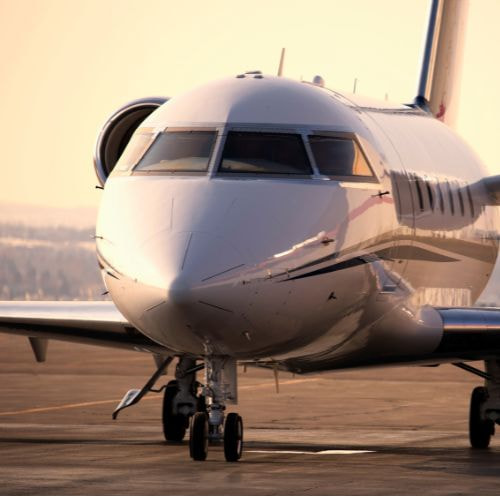
Founded in 1964, NetJets pioneered the concept of fractional jet ownership, permitting individuals and companies to purchase a share of a private jet slightly than owning a whole aircraft. This progressive mannequin provides purchasers with the luxurious of private air travel whereas sharing the prices and responsibilities related to aircraft ownership. Clients can enjoy access to a fleet of over seven hundred jets, ranging from mild jets to giant-cabin aircraft, making it a popular alternative for those seeking flexibility and comfort.
The price Tag of Luxurious
Whereas the allure of private jet travel stays robust, the prices associated with NetJets have steadily increased through the years. A fractional possession share can range from $500,000 to a number of million dollars, depending on the size of the aircraft and the number of flight hours purchased. In addition to the initial funding, homeowners must additionally consider ongoing costs, including administration fees, gasoline surcharges, and maintenance bills. These components can contribute to an annual expenditure that simply exceeds $200,000.
Furthermore, the hourly rates for flying on a NetJets aircraft can differ considerably primarily based on the kind of jet and the gap traveled. As an example, the associated fee to charter a light jet can start at round $4,000 per hour, whereas bigger jets can command rates upwards of $10,000 per hour. With the rising gasoline costs and operational prices, consumers are feeling the pinch more than ever.
Components Driving Value Increases
Several key factors have contributed to the rising costs of NetJet services. One major driver is the rising demand for private air travel, notably in the wake of the COVID-19 pandemic. As travelers seek safer and extra handy choices to avoid crowded commercial flights, the demand for private jets has surged. This heightened demand has led to elevated costs for each fractional possession and charter services.
Additionally, the continued world supply chain challenges have impacted the aviation industry, resulting in delays in aircraft manufacturing and maintenance. In consequence, the restricted availability of jets has further pushed up costs. The shortage of certified pilots, exacerbated by the pandemic, has also contributed to rising operational prices, as corporations compete for expert personnel.
Shopper Implications
For potential clients contemplating NetJets, the rising costs present each challenges and opportunities. While the initial funding may seem steep, many purchasers view fractional possession as a worthwhile expense, given the time saved and the comfort offered by private air travel. However, for these who are budget-conscious, the increasing prices might lead them to explore alternative options, equivalent to jet card packages or on-demand charter providers, which offer more flexibility and lower upfront prices.
The Competitive Panorama
In response to the rising prices and shifting shopper preferences, NetJets faces increasing competitors from other private aviation suppliers. If you have any queries concerning where by and also the way to employ aviation services, you possibly can e-mail us from the website. Corporations akin to Flexjet, Wheels Up, and VistaJet are vying for market share by providing modern pricing fashions and enhanced buyer experiences. For instance, Wheels Up has gained reputation with its membership-based model, permitting purchasers to entry a fleet of private jets with out the lengthy-time period dedication associated with fractional ownership.
As competitors intensifies, NetJets can be exploring new methods to maintain its market management. The corporate has invested in increasing its fleet, enhancing its technology choices, and bettering customer support to make sure a seamless journey expertise. By adapting to the evolving landscape of private aviation, NetJets goals to retain its loyal clientele while attracting new customers.

The future of Private Aviation
Looking forward, the future of private aviation remains promising, albeit with some uncertainties. As travel restrictions ease and the worldwide financial system recovers, the demand for private jet services is anticipated to continue its upward trajectory. However, the continued challenges related to rising costs, supply chain disruptions, and pilot shortages could pose obstacles for both suppliers and shoppers.
To navigate this complicated landscape, companies like NetJets will need to remain agile and attentive to altering market dynamics. Innovations in sustainability, such as the adoption of sustainable aviation fuels and electric aircraft, can also play a crucial position in shaping the future of private aviation and addressing environmental issues.
Conclusion
In conclusion, the rising prices of NetJet services mirror broader trends inside the private aviation business, driven by elevated demand, supply chain challenges, and competitors. Whereas these elements current challenges for consumers, in addition they spotlight the evolving nature of luxurious journey. Because the market continues to adapt, potential clients must weigh their choices fastidiously and consider the lengthy-term benefits of private jet ownership towards the backdrop of rising prices. Ultimately, the allure of private air travel remains strong, and for many, the investment in NetJets will continue to be seen as a gateway to unparalleled comfort and luxurious.