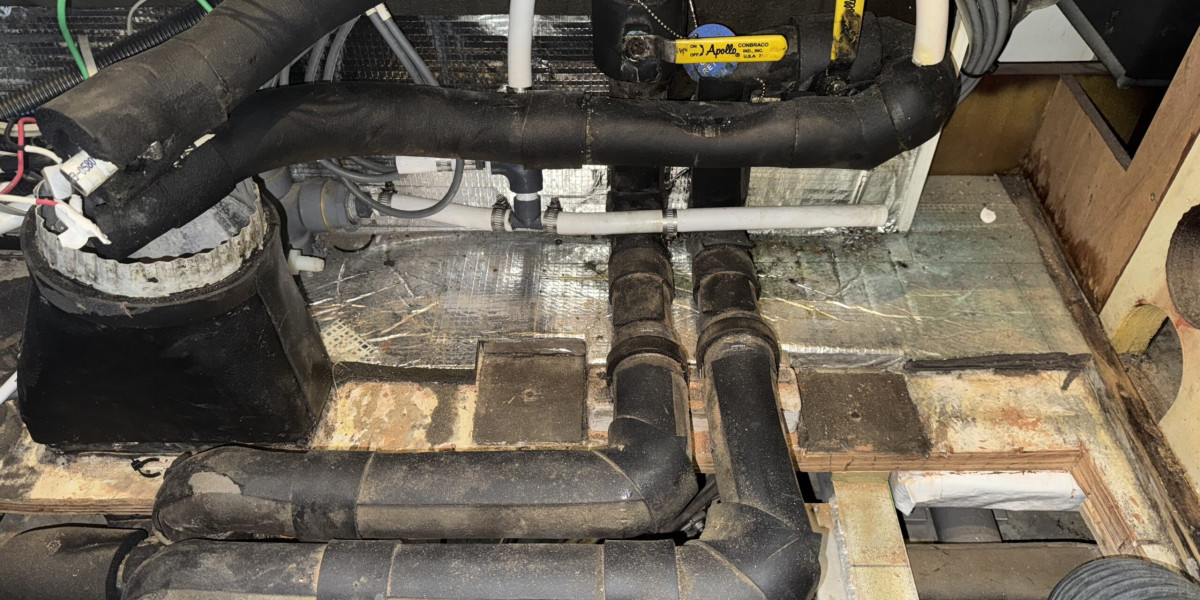

Premium marine environments demand more than structural durability and navigation performance. Comfort has become a defining feature for commercial vessels, luxury yachts, fishing boats, and passenger ferries alike. Excessive engine resonance, machinery vibration, hull reverberation, and airborne disturbances often compromise onboard relaxation and productivity. Investing in Marine soundproofing solutions combined with advanced Marine Noise Insulation technology transforms noisy compartments into peaceful, efficient spaces. High-grade acoustic materials not only diminish unwanted sound transmission but also enhance onboard communication, reduce operator fatigue, and preserve interior quality for years of dependable service.
Why Noise Reduction Matters on Marine Vessels
Persistent mechanical resonance creates more than an uncomfortable atmosphere. Continuous exposure may contribute to crew exhaustion, decreased concentration, communication challenges, and passenger dissatisfaction. Whether operating a recreational yacht or an industrial workboat, controlling acoustic energy improves the onboard experience.
Premium Marine soundproofing materials absorb airborne sound while minimizing structural vibration. Simultaneously, Marine Noise Insulation barriers prevent disruptive frequencies from traveling between engine compartments, cabins, navigation stations, and equipment rooms. The result is a noticeably quieter environment where conversations remain clear and onboard systems operate with reduced acoustic interference.
Understanding Marine Noise Insulation Systems
Modern Marine Noise Insulation products are engineered to manage multiple sound frequencies generated by propulsion systems, generators, compressors, ventilation equipment, hydraulic pumps, and auxiliary machinery.
Instead of relying on a single layer, effective insulation systems frequently combine multiple acoustic technologies, including:
Acoustic Absorption Layers
Absorption materials capture sound waves before they reflect throughout enclosed compartments. Specialized open-cell structures reduce echo while maintaining lightweight performance suitable for marine applications.
Mass Barrier Components
Dense composite barriers prevent airborne sound from passing through bulkheads, flooring, and engine enclosures. These barriers significantly improve Marine soundproofing performance by blocking low-frequency engine rumble.
Vibration Damping Materials
Mechanical vibration often becomes secondary airborne noise. Damping sheets convert vibration energy into minimal thermal energy, reducing resonance across metal surfaces without adding excessive weight.
Decoupling Solutions
Isolation mounts and resilient separators prevent structural contact between vibrating equipment and surrounding frameworks, limiting the transfer of unwanted sound throughout the vessel.
Premium Marine Soundproofing Materials Available
Selecting suitable materials depends on vessel size, operational demands, engine configuration, and environmental exposure. High-performance products deliver exceptional durability while resisting moisture, salt exposure, temperature variation, and chemical contamination.
Acoustic Foam Panels
Marine acoustic foam effectively reduces reflected sound within enclosed machinery spaces and technical compartments. Engineered cellular structures provide impressive absorption across varying frequency ranges without retaining excessive moisture.
Composite Barrier Blankets
These multilayer products combine dense sound-blocking membranes with acoustic absorption materials. Composite blankets deliver comprehensive Marine Noise Insulation while maintaining flexibility for complex installations around engines and generators.
Aluminum-Faced Insulation
Protective aluminum surfaces improve resistance against oil, fuel residue, humidity, and elevated temperatures. These products are commonly installed inside engine rooms where durability remains essential.
Self-Adhesive Damping Sheets
Pressure-sensitive damping materials simplify installation while minimizing vibration on metal flooring, hull panels, access doors, and machinery housings. Their effectiveness contributes significantly to professional Marine soundproofing systems.
Benefits of Installing Marine Soundproofing Products
Investing in premium acoustic materials produces advantages extending well beyond reduced noise levels.
Improved Passenger Comfort
Quiet cabins create a relaxing atmosphere during extended voyages. Reduced background noise encourages restful sleep, comfortable conversations, and an enjoyable travel experience.
Enhanced Crew Productivity
Lower sound exposure allows operators to maintain concentration during navigation and machinery monitoring. Reduced fatigue contributes to safer working conditions and improved operational efficiency.
Better Equipment Performance
Controlling vibration decreases mechanical stress placed on surrounding structures. Many Marine Noise Insulation solutions also assist in protecting sensitive onboard electronics from continuous vibration.
Increased Vessel Value
Modern buyers increasingly prioritize comfort features. Professionally installed Marine soundproofing systems enhance vessel appeal while demonstrating long-term maintenance investment.
Choosing the Right Marine Noise Insulation Products
Not every insulation material performs equally within harsh marine environments. Selecting premium products requires evaluating several important characteristics.
Moisture Resistance
Marine conditions expose insulation materials to humidity, spray, condensation, and occasional water intrusion. Closed-cell technologies and protective facings help preserve long-term acoustic performance.
Fire Safety Certification
High-quality products comply with marine fire regulations and international safety standards, ensuring dependable performance without compromising passenger protection.
Thermal Stability
Many insulation systems simultaneously provide thermal regulation, maintaining comfortable cabin temperatures while reducing heat transfer from engine compartments.
Lightweight Construction
Advanced composites deliver impressive acoustic performance without adding unnecessary weight, preserving fuel efficiency and vessel balance.
Installation Considerations for Maximum Results
Even premium materials require strategic installation to achieve optimal acoustic performance.
Complete coverage of engine enclosures, bulkheads, flooring, ceilings, ventilation ducts, and machinery compartments eliminates weak points where sound may escape. Sealing joints carefully prevents acoustic leakage that reduces overall effectiveness.
Professional installers frequently combine absorption, damping, isolation, and Marine Noise Insulation layers into integrated systems. This comprehensive approach addresses airborne noise alongside structural vibration, producing noticeably quieter onboard conditions.
Routine inspections also preserve long-term performance. Replacing damaged insulation, securing loose panels, and maintaining protective surfaces ensures consistent acoustic control throughout years of marine operation.
Common Applications of Marine Soundproofing
Premium acoustic materials serve numerous onboard environments, including:
Engine compartments
Heavy machinery generates intense low-frequency sound requiring specialized Marine soundproofing systems.
Generator rooms
Continuous electrical generation benefits from multilayer insulation that reduces vibration and airborne noise simultaneously.
Passenger cabins
Comfort-focused insulation enhances relaxation while minimizing external disturbances.
Wheelhouses
Reduced background noise supports clear communication and improved concentration during navigation.
Machinery spaces
Hydraulic equipment, compressors, pumps, and auxiliary systems operate more quietly when surrounded by quality Marine Noise Insulation products.
Long-Term Value of Premium Acoustic Solutions
Selecting premium acoustic materials represents a strategic investment rather than a simple cosmetic upgrade. Superior manufacturing quality ensures consistent performance despite prolonged exposure to humidity, salt air, mechanical vibration, and fluctuating temperatures.
High-grade Marine soundproofing systems require less frequent replacement, maintain structural integrity, and continue delivering dependable acoustic performance throughout years of vessel operation. Reduced maintenance costs, enhanced onboard comfort, and improved operational efficiency collectively justify the initial investment.
Carefully engineered Marine Noise Insulation products also support compliance with occupational noise regulations while creating an environment that benefits crew members, passengers, and equipment alike.
A quieter vessel reflects thoughtful engineering, improved safety, and elevated comfort standards. Whether upgrading an existing boat or designing a new marine project, investing in premium Marine soundproofing solutions supported by advanced Marine Noise Insulation technology delivers lasting acoustic control, superior onboard comfort, and reliable performance across every voyage.